Exploring materials, certifications, and sleep health for NYC readers. This National Geographic-inspired piece delves into the craft of organic mattresses and the stories behind three brands that approach natural comfort from distinct angles.
In a city of contrasts—towering glass, brick façades, early-morning subway chatter—the bed becomes a sanctuary, a place where design meets science, and eco-conscious choices meet urban life. The domain newyorkmattressstore.com invites a careful, informed conversation about organic sleep surfaces, where the materials begin their journey far from the showroom and end in a restful night in a compact NYC apartment. This guide centers on three brands that exemplify a brand-first approach to organic mattresses: Naturepedic, Vispring, and Healthy Choice. Each embodies a philosophy about materials, certifications, and manufacturing that resonates with New York’s diverse residents—from renters navigating small city apartments to homeowners seeking long-term, healthy sleep investments.
To ground our exploration, we look at how certifications function as navigational beacons in a market crowded with claims. Certifications such as GOTS (Global Organic Textile Standard), GOLS (Global Organic Latex Standard), CertiPUR-US, and OEKO-TEX provide external verification of material purity, air quality, and environmental stewardship. For NYC buyers who inhabit apartments with limited space and a heightened sensitivity to indoor air quality, these certifications are not abstract badges; they signal a commitment to safer sleep environments, durable construction, and responsible supply chains.
Across history, the concept of an organic mattress has evolved from a niche luxury into a widely accessible choice. We examine three brands that anchor this evolution in distinct ways: Naturepedic’s passion for certified organic growth and transparent safety profiles; Vispring’s heritage of natural materials and handmade craftsmanship; and Healthy Choice’s modern interpretation of eco-conscious comfort. By weaving architectural memory, material science, and urban living into a single frame, we offer a passport to thoughtful, brand-first decision-making for NYC sleepers.
Naturepedic stands at the intersection of safety-minded design and organic material storytelling. Since its inception, the brand has anchored itself in certifications that translate consumer trust into tangible sleep experience. The core materials frequently include organic cotton, natural latex, and certified organic wool, each chosen for breathability, resilience, and a calm, toxin-free sleeping surface. In a city where air quality and indoor environments command attention, Naturepedic’s approach to certification—especially GOTS for organic textiles and child-safety certifications for crib mattresses—offers a compelling model for NYC apartment dwellers who seek non-toxic sleep spaces.
For NYC residents, a practical dimension matters: the ability of an organic mattress to regulate temperature in small urban bedrooms, where radiators and compact layouts can create microclimates. Naturepedic’s emphasis on breathable organic materials supports a sleep environment that remains comfortable across seasons. Their designs often marry a strong ethical stance with a clear, consumer-friendly language about the materials, enabling shoppers to understand what they are paying for and why it matters for long-term health and comfort.
Product highlight (example): Naturepedic’s organic models often showcase layered comfort that remains supportive without synthetic additives. Their mattresses frequently use organic cotton fabrics and natural latex, paired with responsibly sourced wool or cotton batting, creating a surface that breathes and adapts to body heat. For readers curious about an entry point, look for certifications and a transparent materials list that reveals every layer’s origin and treatment.
Vispring evokes a heritage craft ethos: mattresses handcrafted with natural materials such as wool, cotton, and latex, assembled with traditional techniques. In the context of organic ethics, Vispring emphasizes the use of natural fillings and a sustainable supply chain. The English brand’s lineage is a narrative of artisanship, and in an era of mass production, Vispring stands as a reminder that luxury can be rooted in recyclable, renewable components. For New York City readers, Vispring offers a tactile counterpoint to fast-fashion sleep products: a reminder that the longest-lasting sleep investments emerge from patient, responsible manufacturing.
Temperature regulation is a crucial factor in small spaces where heat retention can become an issue. Vispring’s natural fillings tend to create lofts and airflow patterns that distribute heat more evenly than dense synthetic foams. While Vispring mattresses can be more expensive, the value proposition in a city apartment is the potential for extended durability and reduced replacement cycles—a practical, brand-forward argument for a long-term purchase.
Product highlight (example): Vispring’s mattress constructions often feature natural fillings encased in luxurious casings. The craftsmanship aspect—hand-tufting, wool layers, and natural cotton fabrics—speaks to a narrative of longevity and environmental stewardship. For readers, the key is to confirm certifications that verify the material purity and to understand the care requirements that will help the mattress retain its shape and performance over years of urban use.
Healthy Choice represents a contemporary take on organic sleep, blending natural materials with modern manufacturing sensibilities. In urban markets like NYC, Healthy Choice can offer options that balance budget considerations with eco-credentials, appealing to a broad audience that seeks transparent sourcing and a cleaner indoor environment. The brand’s emphasis on responsible materials, low-VOC finishes, and the absence of harmful additives reflects a broader cultural shift toward healthier homes in densely populated environments where indoor air quality, humidity, and ventilation influence sleep quality.
For NYC apartments, a Healthy Choice mattress can be appealing when it pairs natural materials with scalable production, allowing for more accessible price points without sacrificing core organic values. Certifications and third-party testing reassure buyers that what is promised on the label aligns with the actual sleep surface they experience each night.
Product highlight (example): A Healthy Choice model may showcase a blend of natural latex, organic cotton, and responsibly sourced wool, set within a construction that prioritizes air flow and a neutral, non-toxic finish. Consumers should examine the firmness range, edge support, and cooling properties to ensure compatibility with compact urban bedrooms and temperature fluctuations common in city living.
Timeline insight: Her research in the 1950s and 1960s spurred a generation of designers to consider material safety in bedding, even before formal certifications existed.
Timeline insight: The brand’s enduring techniques echo through today’s sustainable luxury mattresses, influencing how urban consumers value longevity and material integrity.
Timeline insight: Her leadership in the early 2000s pushed the industry toward clearer certification narratives and safer, more accountable manufacturing practices.
In the din and bustle of New York, choosing an organic mattress is as much about practical urban living as it is about material purity. The following principles help translate brand narratives into a measurable, city-friendly decision process:
While the NYC market welcomes a wide range of products, the brand-first approach emphasizes how a brand communicates its identity through material integrity, ethical manufacturing, and environmental stewardship. This is where Naturepedic, Vispring, and Healthy Choice each offer a distinctive voice—one grounded in certification and safety, one anchored in artisan tradition, and one built on modern eco-conscious pragmatism.
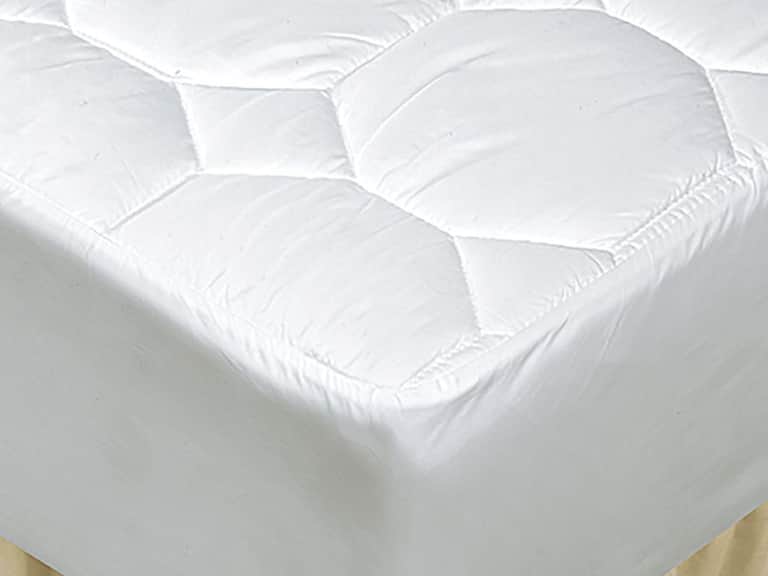
The Downtown Company Luxury Cotton Mattress Pad embodies a practical, refined example of how organic and natural materials translate into everyday comfort. Crafted with a plush 100% cotton fill and a cotton-blend honeycomb quilted cover, this pad adds a breathable cushion that enhances the sleeping surface without adding bulk. Its 18" deep pockets and jersey-knit skirt ensure a secure, snug fit on a wide range of mattress depths—an essential feature for NYC apartments where beds might be closer to walls or limited by frame design.
Made in Austria, the pad is designed for durability and straightforward care, reflecting a European sensibility for understated luxury and longevity. In a city where urban wear and daily routines can roughen the edges of a mattress, a well-made mattress pad acts as a protective veil, extending the life of the underlying mattress while preserving comfort across seasons.
Product glance: Downtown Company Luxury Cotton Mattress Pad, model 1845, available with a full set of size options from Twin to Cal King. Price: 458.00 USD. Main image showcases a crisp white surface with subtle quilted texture and a secure fit design.
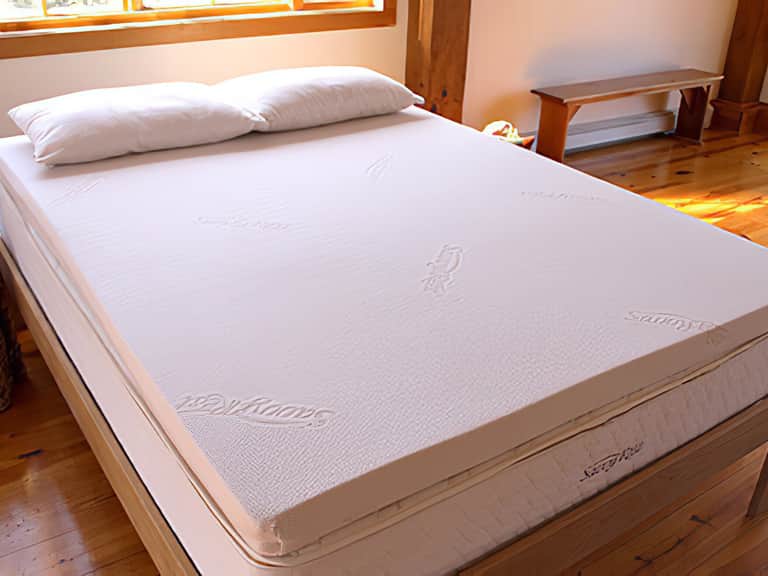
To broaden the frame beyond the pad, consider complementary pieces that align with organic principles, such as the Savvy Rest Vitality Latex Mattress Topper and the Savvy Rest Contour Pillow. These items illustrate how a cohesive sleep environment is built from multiple layers of organic materials—from the surface to the topper that provides additional contouring and pressure relief. Visually, these elements emphasize breathability, natural resilience, and a tactile sense of craftsmanship that speaks to a brand-first consumer mindset in NYC.
For readers exploring a nuanced spectrum of options, a careful comparison of latex, wool, cotton, and hybrid constructions clarifies how each material interacts with firmness preferences, temperature control, and durability. In turn, this informs a more intentional and informed decision-making process in the city’s apartment markets.
As urban life in New York continues to evolve, the demand for organic, safe, and well-crafted sleep surfaces grows in tandem. Naturepedic, Vispring, and Healthy Choice each offer a distinct brand narrative that centers on material integrity, transparent certifications, and sustainable production. For NYC readers, a brand-first approach is not merely a marketing preference—it is a framework for evaluating sleep health, environmental impact, and long-term value. In a city where a good night’s sleep can be the quiet anchor amid constant motion, choosing an organic mattress becomes an act of care for self, space, and the broader ecosystem that sustains us.
The guidance here centers on the essentials: verify certifications, demand clear material disclosures, assess temperature regulation and durability in the context of urban living, and select a brand whose identity aligns with your values and your apartment’s realities. By foregrounding brands that emphasize organic integrity and transparent storytelling, NYC sleepers can rest with confidence, knowing that the mattress beneath them is more than a surface—it is a thoughtful, environmentally responsible choice that complements the city’s rhythm and resilience.
Images illustrate the tactile, organic bedding ecosystem. All images are representative of product aesthetics and do not imply endorsement.