Foam mattresses are a popular choice for providing balanced support, pressure relief, and motion isolation across varied sleeping styles. In this category, density and cell structure influence durability, conforming comfort, and temperature regulation. Understanding the differences between polyurethane foam, memory foam, and specialty foams helps match a mattress to individual preferences and sleep needs.
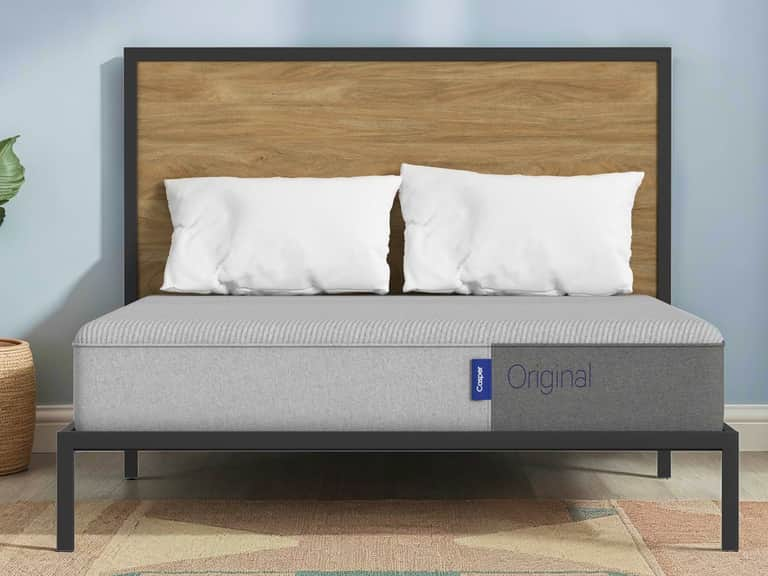
The Original Mattress offers a durable polyurethane foam core with layered comfort for improved spinal alignment and resilience. Key features typically include breathable cover materials, zoned support for targeted contouring, and mid-range firmness suitable for back and side sleepers seeking steady support without excessive sinking.
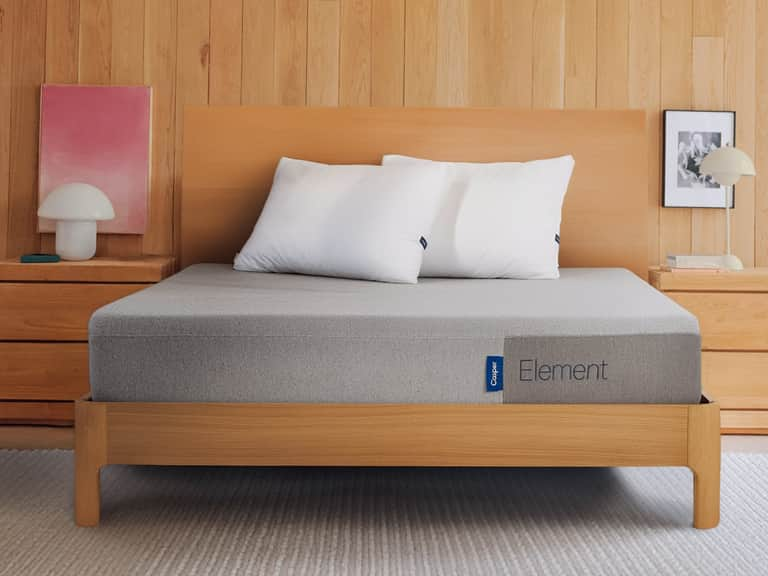
The Element Mattress emphasizes adaptive foam technologies and transition layers that respond to body weight and movement. Functional benefits often include enhanced pressure relief in critical zones, stable contouring for diverse sleeping positions, and improved durability from high-density foam components used throughout the core.
When evaluating foam mattresses, consider factors such as density ratings, open vs. closed-cell structures, and the presence of foam additives like graphite or plant-based oils for cooling. For families and infants, organic crib mattresses and latex options may be relevant, while standard foam systems favor versatile uses and align with multiple bedding needs.
In addition to comfort, foam mattresses influence sleep hygiene and sustainability through cover fabrics, antimicrobial treatments, and manufacturing standards. The category aligns with related bedding essentials such as pillows and organic mattress varieties, helping integrate sleep surfaces into a broader, healthy sleep environment. Keywords include bedding, pillows, organic mattresses, organic crib mattresses, and latex.
 Mattresses