Latex, derived from natural rubber tree sap, offers a resilient yet responsive sleep surface that contours to the body while maintaining support. In bedding contexts, latex demonstrates durable comfort with breathable properties that help regulate temperature. This material is commonly used in mattresses, pillows, and crib components, highlighting its versatility across adult and infant sleep setups.
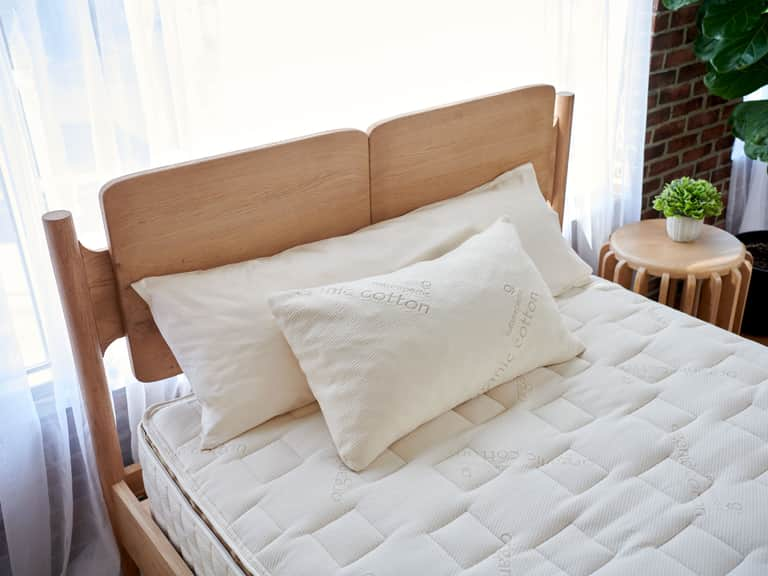
Latex pillows provide supportive alignment for the head, neck, and shoulders due to their natural responsiveness. They tend to maintain shape over time, resist significant compression, and offer varying loft options to accommodate different sleeping positions. For allergy-conscious environments, latex can be naturally resistant to dust mites and mold, contributing to a cleaner sleep surface.
Within organic and natural睡 offerings, latex plays a crucial role in both pillows and mattresses. Organic latex products emphasize sustainability, chemical-free processing, and certifications that verify purity. The material’s durability supports longer product lifespans, reducing replacement frequency while preserving comfort and stability through nightly use.
In pediatric sleep contexts, latex mattresses and organic crib mattresses prioritize firmness and surface integrity to support growing spines and develop healthy sleep habits. The natural resilience of latex can balance soft comfort with consistent support, helping to distribute pressure evenly and reduce motion transfer between sleeping surfaces for restful nights.
Key features to consider include elasticity, breathability, and firmness levels, all of which influence restful sleep. Latex products align with bedding and pillows that emphasize organic materials, low chemical impact, and compatibility with a range of sleep styles. Understanding these attributes aids in selecting components that suit individual comfort and health-focused priorities.
 Bedding